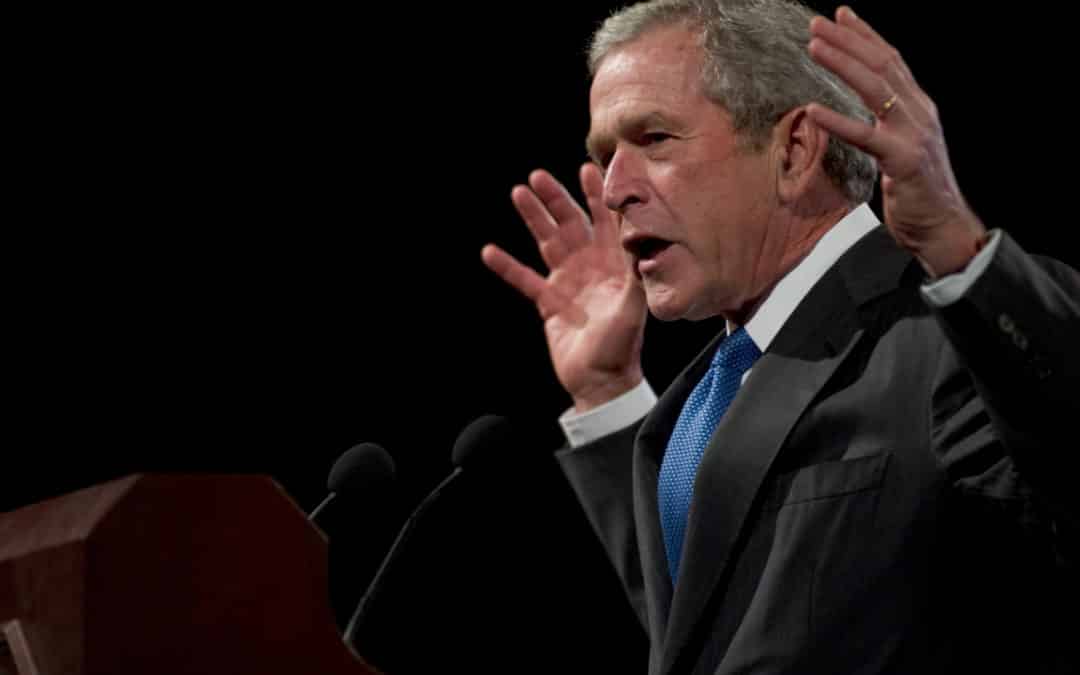
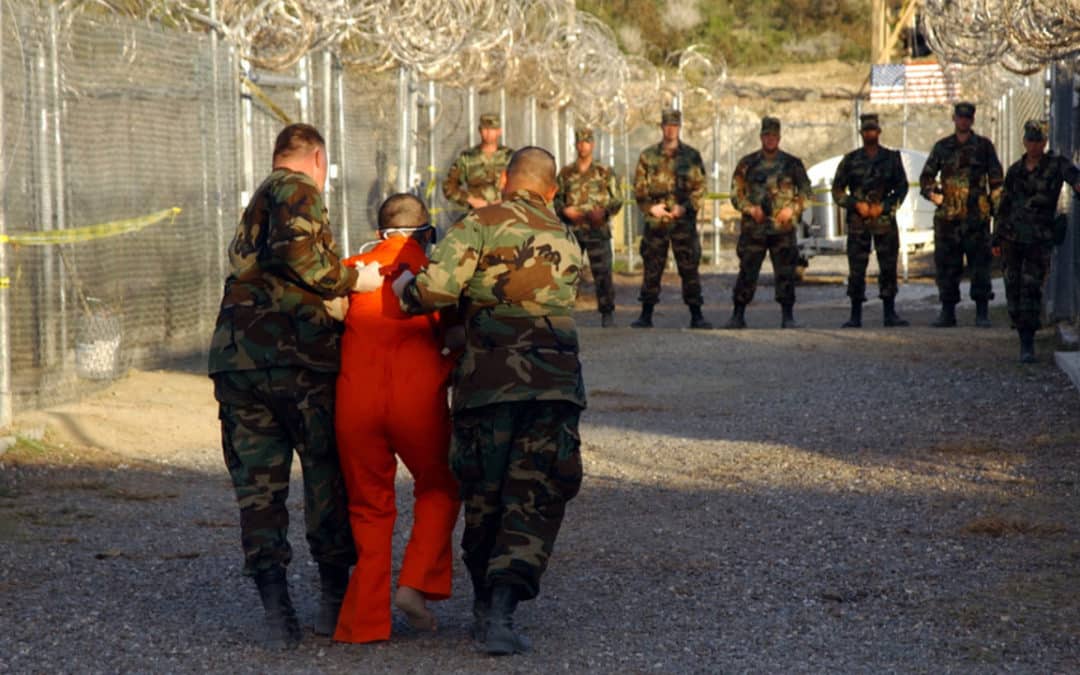
Recently, while watching a video of Judge Andrew Napolitano commenting on revelations that Bush and his administration knew about and authorized “enhanced interrogation techniques” (ie, torture) by the CIA, I started thinking - as usual - about how all this fits in under the Constitution.
First of all, watch the video, it’s pretty interesting stuff:
More memos recently have surfaced that were written early in the Bush administration by John C. Yoo from the Justice Department’s Office of Legal Counsel — the man who gave us the administration’s horrifyingly narrow definition of torture. As difficult as it is to believe, the recently released memos are even scarier than the original torture memo.
Yoo boldly asserts that the president’s power during wartime is nearly unlimited. For example, he argues that Congress has no right to pass laws governing the interrogations of enemy combatants and the commander-in-chief can ignore such laws if passed, and can, without constraint, seize oceangoing ships. Continue Reading
The debates over whether Waterboarding constitutes torture or not have been quite heated as of late. Democrats in the Senate have been saying they may not confirm Michael Mukasey as attorney general based on his unclear legal positions on the issue - but some key Dems are now saying that they will approve him. Continue Reading
This week, Rep. Ron Paul introduced HR 3835 - the American Freedom Agenda Act of 2007. This bill, if passed, would go a long way towards restoring liberty and the constitution in this country, and eliminate a number of “laws” that were enacted beyond the Constitution’s limit on federal power. Continue Reading
"The powers not delegated to the United States by the Constitution, nor prohibited by it to the States, are reserved to the States respectively, or to the people."